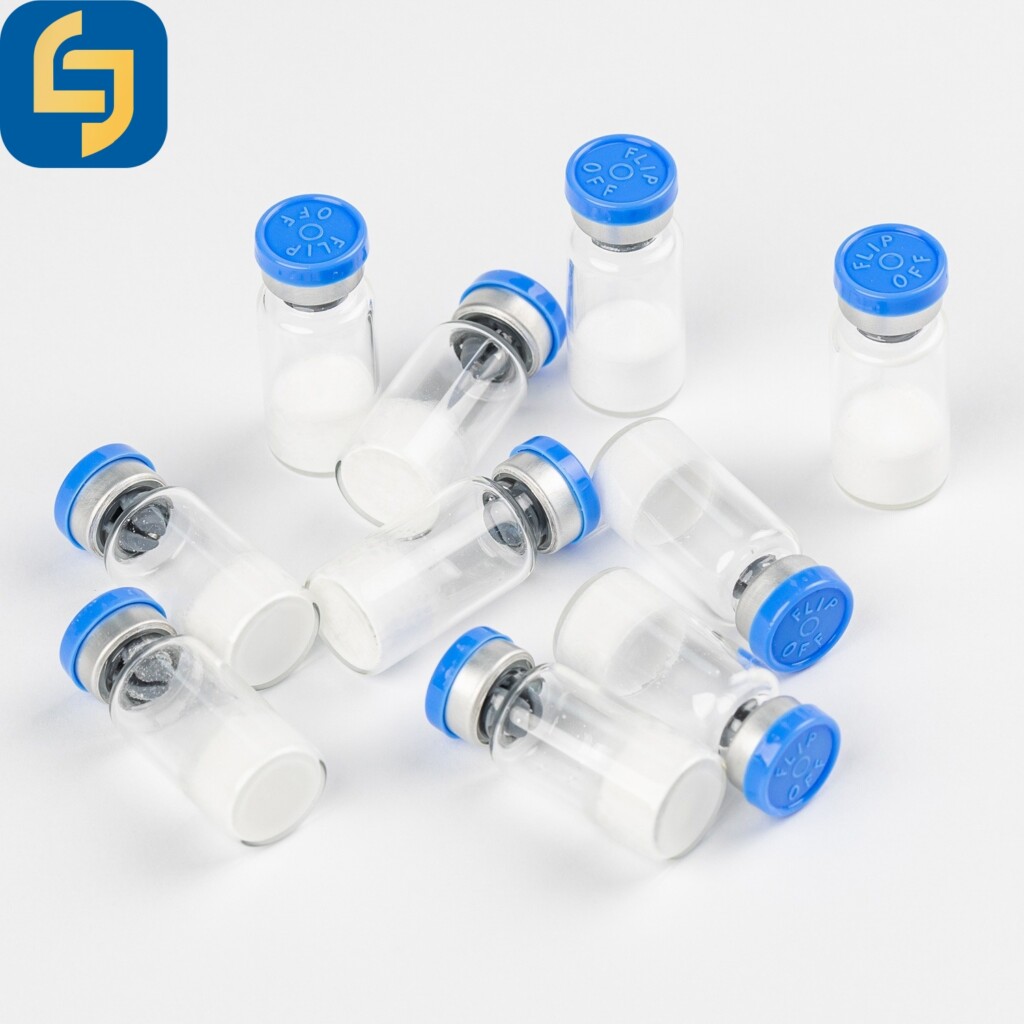
Nature: Raw Material
純度: >99%
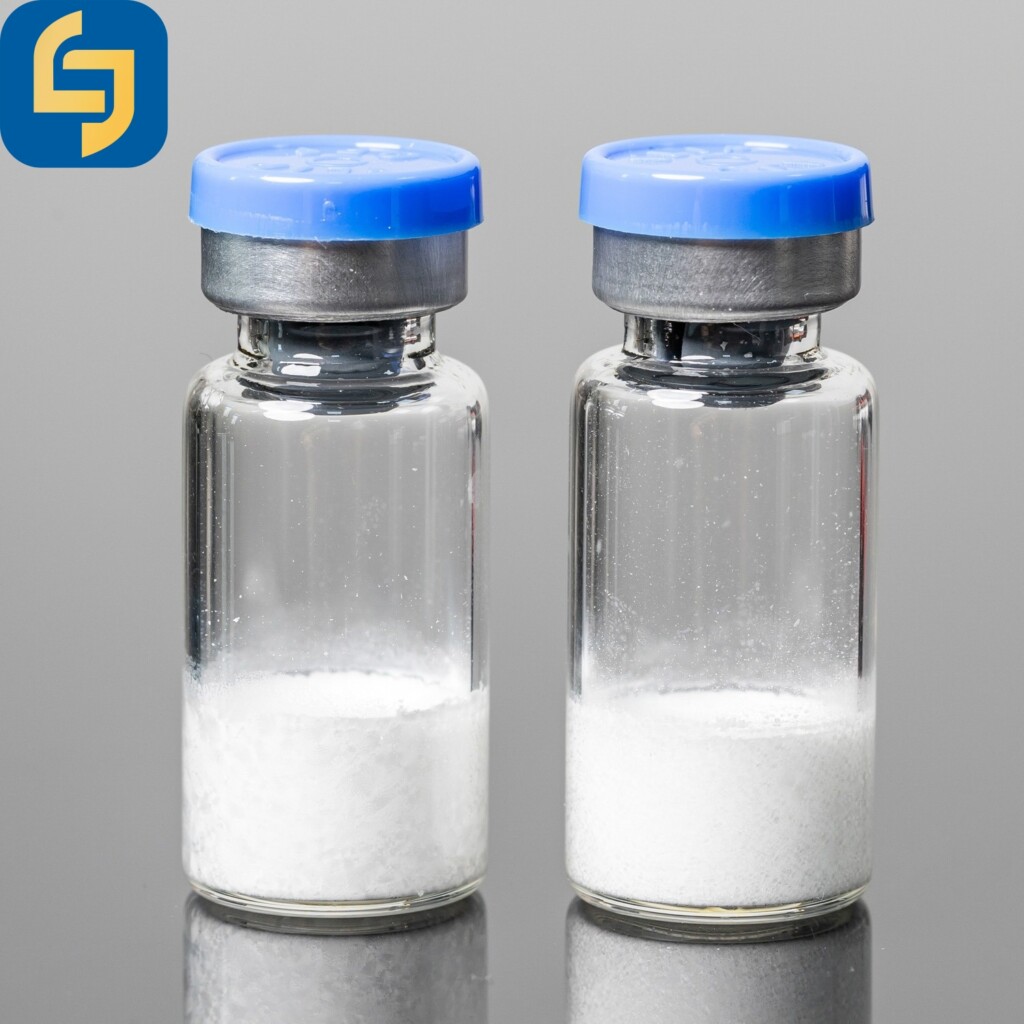
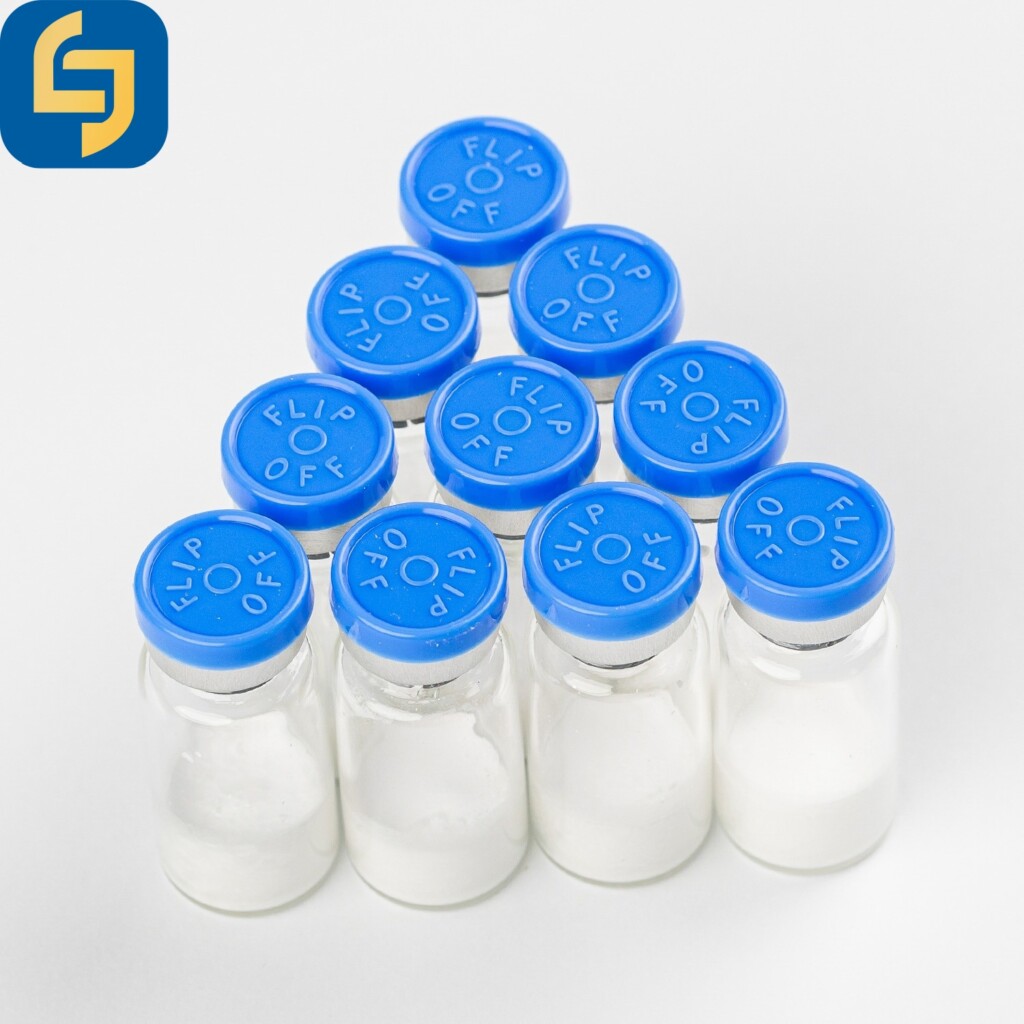
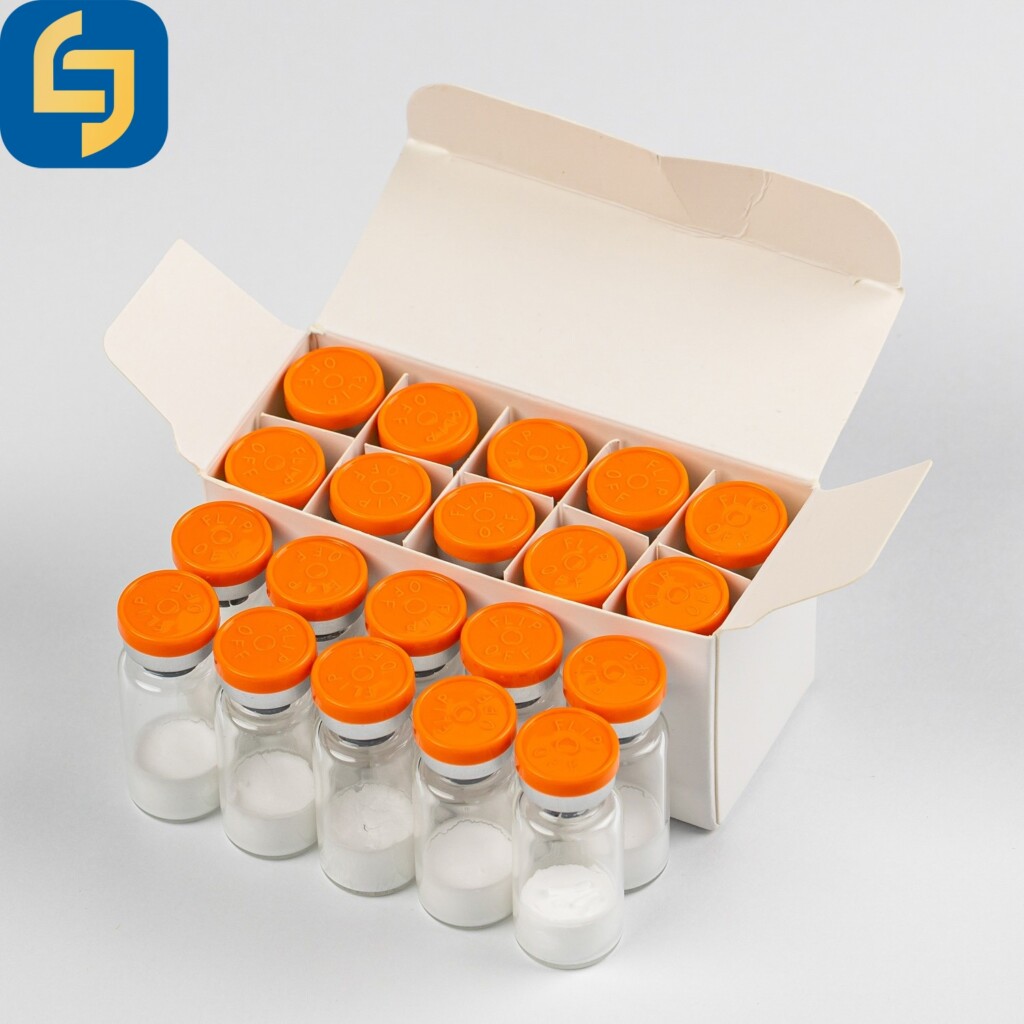
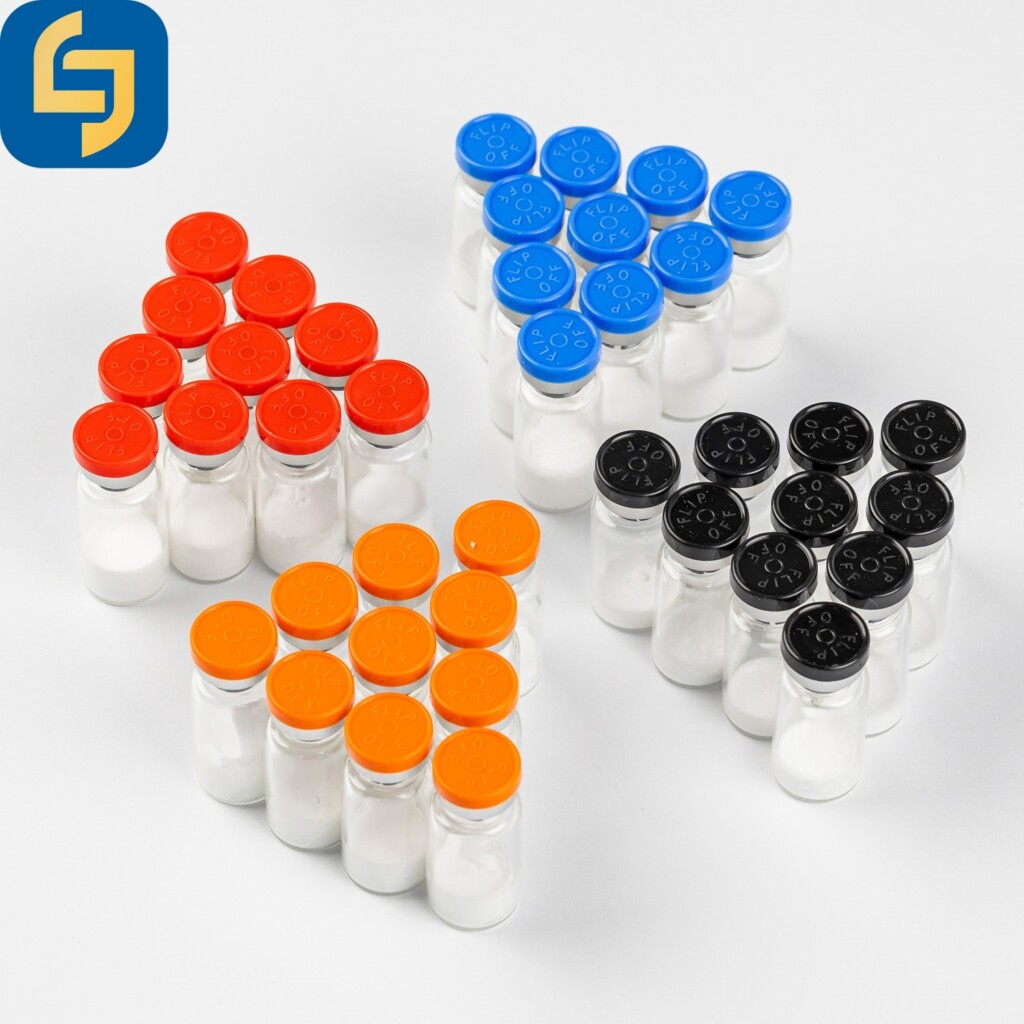
Appearance: 白色結晶性凍結乾燥粉末
一般的な使用法:抗シワ、アンチエイジングペプチド
Shelf Life: 24ヶ月
Storage: Refrigeration keeps dry and away from light
製品説明
NAD+ stands for nicotinamide adenine dinucleotide, which is a key coenzyme that is involved in hundreds of cellular processes in the human body. However, NAD+ levels decline with age. The body needs NAD+, but its supply is limited. NAD+ plays a crucial role in helping brain cells age healthily. In brain cells, NAD+ helps regulate the production of PGC-1-alpha, a protein that seems to help protect cells from oxidative stress and mitochondrial dysfunction. Because it plays a role in many different biological processes, scientists and doctors are now exploring different ways to use it to maintain the health of human patients’ organs and nervous systems.
NAD+ stands for nicotinamide adenine dinucleotide, which is a key coenzyme that is involved in hundreds of cellular processes in the human body. However, NAD+ levels decline with age. The body needs NAD+, but its supply is limited. NAD+ plays a crucial role in helping brain cells age healthily. In brain cells, NAD+ helps regulate the production of PGC-1-alpha, a protein that seems to help protect cells from oxidative stress and mitochondrial dysfunction. Because it plays a role in many different biological processes, scientists and doctors are now exploring different ways to use it to maintain the health of human patients’ organs and nervous systems.
Nicotinamide adenine is involved in various physiological activities such as cellular material metabolism, energy synthesis, and cell repair, and plays an important role in immunity.
日本語 日本語
日本語
会社概要
Company slogan: 革新、協力、Win Win
Company Introduction: Zhengzhou Longjia Electronic Technology Co., Ltd.は、ペプチド、医薬品原料、医薬品中間体、ファインケミカル中間体の研究開発、生産、販売に特化した専門的な製薬技術会社です。
In the future, the company will continue to be committed to "doing fine, specialized and stronger", and strive to build an advanced professional manufacturing base in the industry.